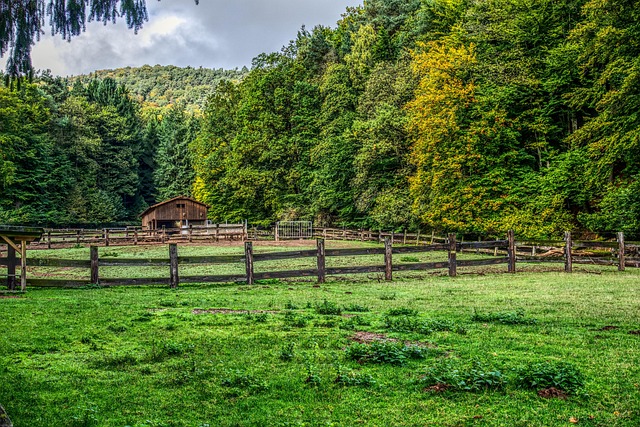
Coastal areas present unique challenges when it comes to fencing due to harsh weather conditions, saltwater exposure, and high humidity. Durable wooden fencing offers an attractive and sustainable solution for these environments. This article explores the various aspects of choosing and maintaining robust wood fences in coastal settings, from understanding specific challenges to selecting the ideal species and installation techniques that ensure longevity and aesthetic appeal.
- Understanding Coastal Fencing Challenges
- Benefits of Durable Wooden Fencing
- Choosing the Right Wood Species
- Installation Tips for Coastal Conditions
- Maintenance and Longevity Strategies
- Esthetic Appeal in Coastal Settings
Understanding Coastal Fencing Challenges
Coastal areas present unique challenges when it comes to fencing due to their harsh environments. Saltwater, strong winds, and frequent storms can take a toll on traditional fencing materials. Wooden fences, in particular, require extra care as they are susceptible to rot and damage from moisture and salt corrosion. The key challenge is to find a material that can withstand these conditions while also being aesthetically pleasing and providing effective security.
Durable wooden fencing for these areas needs to be crafted from rot-resistant species like cedar or treated timber designed to combat corrosion. Proper maintenance, including regular cleaning and sealing, is crucial to extend the life of such fences. By understanding these challenges and selecting suitable materials, homeowners and property managers can invest in a robust coastal fence that offers both security and a lasting visual appeal.
Benefits of Durable Wooden Fencing
Durable wooden fencing offers an array of benefits for coastal areas, providing both functional and aesthetic advantages. One of its key strengths is its natural resistance to corrosion and decay, a critical factor in harsh marine environments. Unlike other materials that may weaken over time due to salt air and moisture, high-quality wood fencing can withstand the test of coastal conditions, ensuring longevity and minimal maintenance.
Moreover, wooden fences contribute to the local ecosystem by providing habitats for various plant and animal species. The organic material allows for root growth and serves as a breeding ground for beneficial insects, birds, and small animals. This eco-friendly aspect sets durable wood fencing apart, making it an excellent choice for environmentally conscious coastal property owners.
Choosing the Right Wood Species
When selecting wood for coastal fencing, choosing the right species is paramount. Softwoods like cedar and redwood are popular choices due to their natural resistance to rot and pests, making them ideal for the harsh marine environment. These woods also have a beautiful grain that enhances the overall aesthetic appeal of your fence.
However, it’s essential to note that not all softwoods are created equal. Look for high-quality, pressure-treated varieties that have been specifically formulated for exterior use and coastal conditions. This ensures longevity and minimizes maintenance over time, keeping your fence sturdy and vibrant against the relentless wind, salt spray, and other environmental factors that can compromise weaker woods.
Installation Tips for Coastal Conditions
When installing wooden fencing in coastal areas, it’s crucial to prepare the ground and choose the right materials. The harsh marine environment can accelerate wood decay, so using treated timber or tropical hardwoods is essential. Ensure a solid foundation by installing posts deep into the ground to withstand strong winds and salty air. Consider elevated or above-ground installations for added protection.
Regular cleaning and sealing are vital maintenance steps. Wash the fence regularly with fresh water to remove salt deposits, then apply a high-quality sealant to protect the wood. Regular inspection is also key; check for loose boards, damaged posts, or signs of pest infestation. Promptly address any issues to prevent further deterioration and maintain the integrity of your coastal fencing.
Maintenance and Longevity Strategies
To ensure the longevity of durable wooden fencing in coastal areas, regular maintenance is key. This includes occasional cleaning to remove salt and debris buildup, which can accelerate wood rot. A water-based, low-VOC (volatile organic compound) sealer or stain every 1-3 years will protect the fence from moisture and UV damage, preserving its color and finish.
Additionally, monitoring for signs of decay, rust, or damage is essential. Promptly addressing issues like loose boards, corroded hardware, or softened wood can prevent minor problems from becoming major repairs. Inspecting the fence after particularly harsh weather events, such as storms or heavy rain, is also crucial to catch any potential damage early on.
Esthetic Appeal in Coastal Settings
In coastal areas, where landscapes often feature rugged beauty and dynamic natural elements, durable wooden fencing offers more than just functional protection. Its aesthetic appeal is a harmonious blend that complements the surrounding environment. The warm tones and organic textures of wood harmonize with the sea breeze, waves crashing on shore, and ever-changing sky, creating a sense of tranquility and connection to nature.
These fences can be crafted to embrace and enhance the local style, whether it’s a rustic look that pays homage to traditional coastal architecture or a sleek, modern design that contrasts beautifully against the backdrop of the ocean. With careful consideration of color, finish, and detailing, wooden fencing becomes an integral part of the coastal landscape, adding visual interest and character while seamlessly integrating with the natural setting.