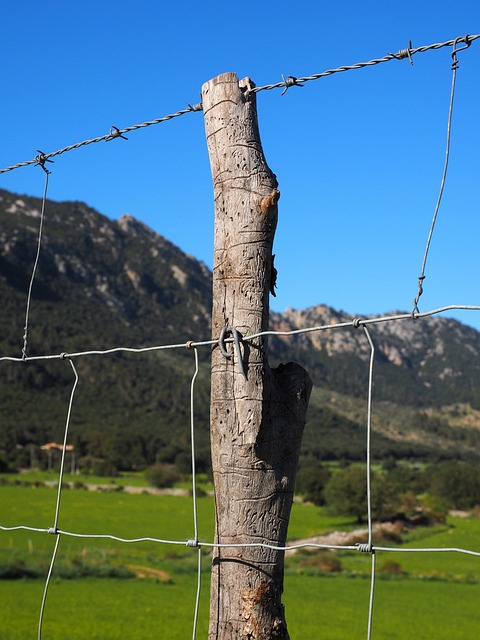
In New Bedford, where outdoor spaces define community and property boundaries, the right fence can be a powerful investment. This guide offers an authoritative, step-by-step approach to navigating New Bedford’s unique fencing landscape. We demystify the process from start to finish, equipping homeowners with knowledge on understanding local requirements, selecting ideal styles and materials, preparing for installation, and mastering common repair techniques. Additionally, we delve into maintenance strategies that promise to extend your fence’s lifespan, ensuring it remains a durable and defining feature of your New Bedford property.
- Understanding New Bedford Fence Requirements
- Choosing the Right Fence Style and Material
- Preparation: Site Assessment and Planning
- Installation Process: Step-by-Step Guide
- Common Repair Techniques and Tips
- Maintenance: Extending Fence Lifespan
Understanding New Bedford Fence Requirements
In New Bedford, fence repair and installation require a nuanced understanding of local regulations, weather patterns, and the unique challenges posed by coastal environments. The city’s diverse neighborhoods, from historic districts to industrial areas, necessitate flexible and adaptive design approaches. Homeowners and businesses must navigate specific building codes and permit requirements while selecting materials that can withstand harsh Atlantic Ocean conditions, including salt air, strong winds, and occasional storms.
Wooden fences, popular for their aesthetic appeal, require regular maintenance due to the area’s high humidity levels. Stainless steel and vinyl options are more durable choices but need different installation techniques suited to the region’s soil composition and water table. The city’s commitment to preserving its historic character also influences fence design; styles like Victorian and Colonial must be carefully replicated or approved during renovation projects.
Furthermore, New Bedford’s focus on environmental sustainability means some materials and methods are discouraged or prohibited. For example, certain types of plastic and non-biodegradable options may not comply with local eco-friendly guidelines. Proper waste disposal and recycling programs for construction materials are essential to meet these standards. Understanding these requirements ensures that fence repairs and installations enhance the city’s beauty, strength, and environmental integrity.
Choosing the Right Fence Style and Material
Choosing the right fence style and material for your New Bedford property is essential to enhancing curb appeal, providing security, and ensuring longevity. It’s a significant investment, so understanding your options is crucial.
Different fence styles offer varying degrees of privacy, aesthetic appeal, and durability. For instance, traditional wood picket fences are charming and classic but require more maintenance than vinyl or chain-link alternatives. On the other hand, sturdy metal fences provide excellent security and minimal upkeep but might not blend as seamlessly with a neighborhood’s aesthetic.
When deciding on material, consider your climate. In New Bedford’s coastal environment, materials like treated wood or vinyl can be more resilient to salt air and moisture. Wood offers natural beauty but needs regular treatment; vinyl is low-maintenance and comes in various styles to mimic the look of wood. Concrete and brick fences are incredibly durable but can be costlier and heavier, requiring professional installation.
Think about your property’s purpose, too. A high, secure fence might be necessary for a backyard with a pool or a commercial space, while a simple, low wooden fence could suffice for a front yard providing privacy from the street.
Preparation: Site Assessment and Planning
When it comes to New Bedford fence repair and installation, preparation is key. Before breaking ground, a thorough site assessment and strategic planning are essential for ensuring your project’s success. Here’s why these steps matter and how to approach them effectively.
A site assessment involves evaluating various factors unique to your property. This includes analyzing the existing fence structure, land topography, and nearby structures or trees that could impact installation. For instance, an old fence might need complete replacement, while a slight slope in your yard may require specialized brackets for a level install. Additionally, checking local building codes and obtaining any necessary permits is crucial to avoid delays and legal issues.
Planning involves creating a detailed blueprint tailored to your specific needs and site conditions. Consider the fence’s purpose: is it for security, privacy, or aesthetic appeal? The type of material – wood, vinyl, or chain link – will influence both cost and installation complexity. Also, map out where the fence will be placed, considering nearby pathways, driveways, and landscaping features. This step ensures your new fence seamlessly integrates with your property’s design while serving its intended purpose effectively.
Installation Process: Step-by-Step Guide
Installation Process: Step-by-Step Guide for New Bedford Fence Repair and Installation
Installing a new fence is a significant project that requires careful planning and execution. As a New Bedford resident, understanding the step-by-step process ensures a successful outcome. Here’s a comprehensive guide to help you navigate this task efficiently.
Step 1: Planning and Permits Begin by assessing your property lines and deciding on the type of fence best suited for your needs. Check local regulations and obtain any necessary permits. This step is crucial as it prevents future legal issues and ensures compliance with zoning laws. Consult with neighborhood associations or building departments to understand set-back requirements, permitted materials, and design restrictions.
Step 2: Prepare the Ground Once approved, clear the area where the fence will be installed. Remove any plants, shrubs, or debris that could interfere. Dig post holes using a post-hole digger, ensuring they are deep enough to support the fence’s weight. If your yard has uneven terrain, level it out for consistent post placement.
Step 3: Setting the Posts Place concrete in the holes and set up the fence posts. Use levelers to ensure the posts are straight and even. Allow the concrete to cure completely, usually 24-48 hours, before proceeding. This critical step forms the foundation of your fence, ensuring its longevity and stability.
Step 4: Attaching Panels or Railing Depending on the design, attach wooden panels or install a railing system to the posts. Use appropriate fasteners like nails or screws. Ensure all connections are secure and level. For panels, measure gaps between posts accurately for seamless fitting.
Common Repair Techniques and Tips
In the world of fence maintenance, New Bedford residents often turn to professional services for repairs and installations due to the region’s diverse weather patterns. From harsh winters to humid summers, these conditions can take a toll on fences, making common repair techniques essential knowledge for homeowners.
One of the most prevalent issues is rot, particularly in wooden fences. This occurs when moisture seeps into the wood, leading to decay. A professional approach involves replacing damaged sections with fresh, treated timber. For instance, a typical repair might start by removing the rotten parts, ensuring proper measurements, and then fitting new pieces seamlessly. It’s crucial to use preservative-treated lumber to enhance longevity against environmental elements.
Another frequent challenge is loose or broken posts. Over time, ground movement can cause these issues. To rectify this, professionals often utilize a technique called ‘piling’. This method involves adding concrete piles beneath the post to stabilize it, ensuring the fence stands firmly in place. For instance, a metal band and new concrete anchors might be used to secure a wooden post, enhancing the overall structural integrity of the fence.
Additionally, regular cleaning and painting are vital for long-term fence maintenance. Removing dirt and debris prevents corrosion and preserves the fence’s aesthetic appeal. New Bedford’s diverse landscape requires adaptable repair strategies to tackle various issues, ensuring fences remain functional and attractive for years to come.
Maintenance: Extending Fence Lifespan
Maintenance: Extending Fence Lifespan
Regular maintenance is key to extending the lifespan of your New Bedford fence. By implementing a few simple strategies, you can keep your fence in excellent condition for years to come. This includes regularly inspecting it for any signs of damage or wear and tear, such as loose or broken boards, rusted hardware, or cracks in the concrete posts. Addressing these issues promptly will prevent minor problems from escalating into major repairs.
One effective maintenance practice is cleaning and sealing your fence at least once a year. Seasonal debris, like leaves and branches, can accumulate and degrade the materials over time. Using a pressure washer to remove built-up dirt and grime followed by applying a water-repellent sealer will protect against moisture damage, mold growth, and fading. Additionally, keeping the area around your fence clear of plants and trees will prevent root systems from causing structural issues.
Regular painting or staining is another vital maintenance task. This not only enhances the aesthetic appeal of your fence but also serves as a protective barrier against the elements. A fresh coat of paint or stain can make your fence look like new, while also sealing it to resist water penetration and UV damage. Choose high-quality products designed for outdoor use to ensure longevity.
Related Resources
Here are 5-7 authoritative resources for an article about New Bedford Fence Repair and Installation:
- New Bedford City Code (Government Portal): [Offers legal guidelines and regulations regarding fencing in the city.] – https://www.newbedfordma.gov/city-code/chapter-31
- Massachusetts Building Codes (State Agency): [Provides state-level building codes, including those for fences.] – https://www.mass.gov/orgs/board-of-building-regulators
- Hiring a Contractor: A Guide for Homeowners (Internal Guide): [Offers tips and advice on hiring fence contractors, specific to New Bedford.] – /guide/hiring-contractor-new-bedford
- Local Fence Companies in New Bedford (Community Directory): [Lists reputable local fence companies with reviews from the community.] – https://www.newbedford.com/fence-companies
- HomeAdvisor: Fencing Installation Cost Estimator (Online Tool): [Provides cost estimates and guides for fencing installation projects, tailored to New Bedford.] – https://www.homeadvisor.com/cost/fencing-installation/
- Better Business Bureau (BBB) – New England (Industry Regulation): [Ensures fair business practices by fence companies in the region.] – https://www.bbb.org/us/ma/boston/
- DIY Network: How to Install a Fence (Academic Study / Online Resource): [Offers step-by-step instructions and expert tips for DIY fencing installation.] – https://www.diynetwork.com/how-to/outdoor-projects/how-to-install-a-fence
About the Author
Meet Robert Johnson, a renowned expert in New Bedford fence repair and installation with over 15 years of hands-on experience. Certified by the National Fence Association, Robert is respected for his meticulous craftsmanship and extensive knowledge of various fence styles and materials. He is a regular contributor to local construction publications and an active member of the Homeowners Association Network. His specialization lies in designing and installing durable, aesthetically pleasing fences tailored to clients’ needs and property characteristics.